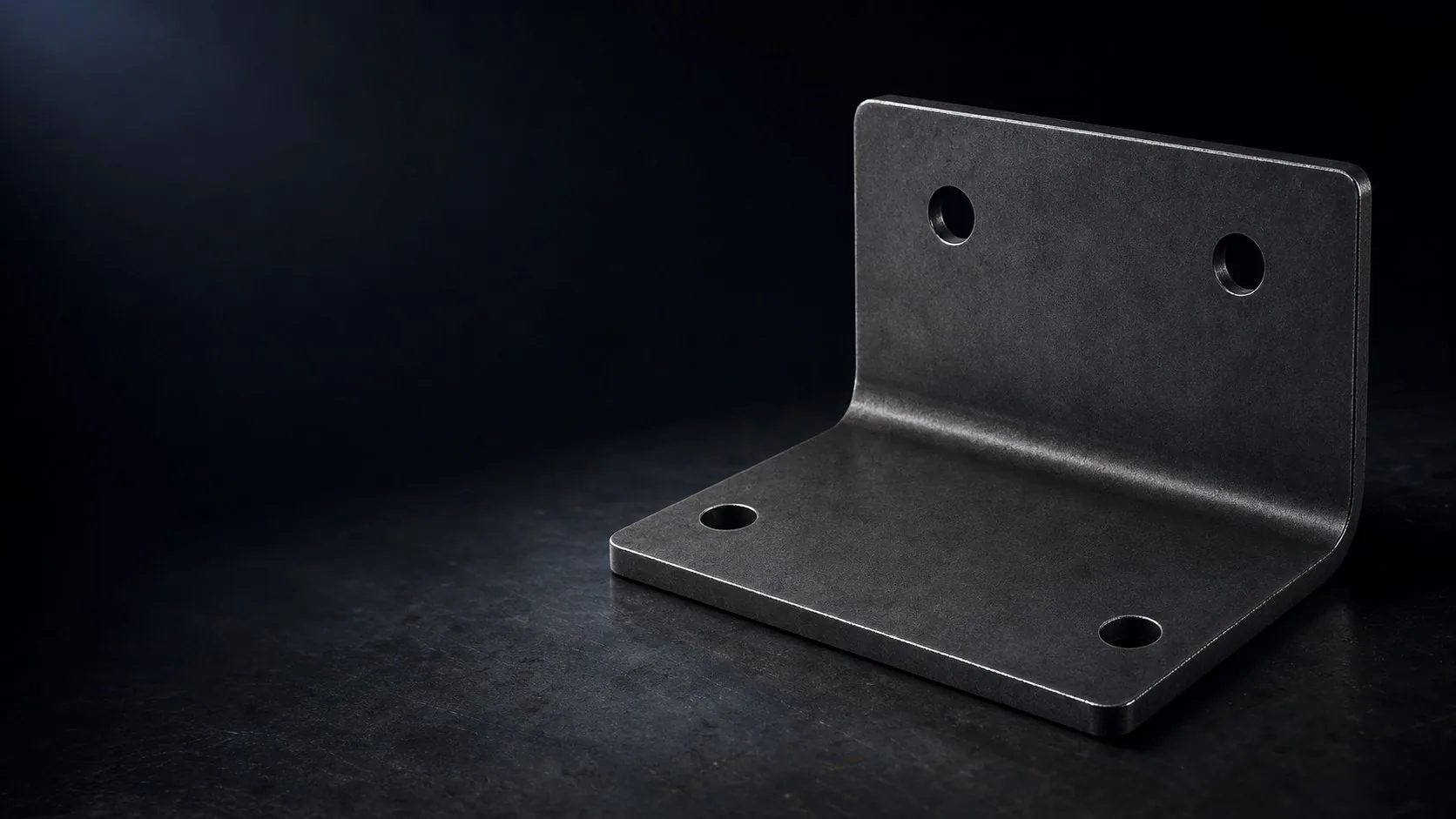
Sheet metal bending quotes that start from the actual STEP model.
Use this page when the part is formed and needs brake-fit review. Upload formed parts and let the system decide whether they fit the online brake rules.
Use this path when the part type, file, and buying situation line up with the way the quote tool is built.
Typical parts
A strong fit for buyers sourcing bent brackets, covers, housings, ducts, and formed panels.
Bent covers and guards
Formed brackets and support channels
Housings, light duct parts, and folded panels
Why buyers use this path
The goal is to price the part quickly without making the customer guess what to do next.
Formed-part routing with bend count, weight, and brake-fit awareness.
3D preview support so customers can inspect the model instead of guessing from a flat image.
Review routing that explains why the part needs estimator attention.
What this workflow already handles
The site can price clean jobs immediately and still keep edge cases moving.
120 inch maximum online bend length.
170 ton maximum online brake tonnage.
The same order flow can continue as a review request when needed.
System Checks
What the quote tool is checking behind the scenes.
These checks keep the fast price believable and send riskier jobs to review before anyone trusts the wrong number.
What to confirm before upload
The file should represent the real part you want built, not a rough stand-in.
The STEP or STP model needs to show the real formed geometry.
Bend length and estimated tonnage have to stay inside the online brake rules.
Thickness and weight need to be clear enough to price with confidence.
What usually moves the price
The number changes for manufacturing reasons, not arbitrary website rules.
Material and thickness.
Bend count and bend length.
Part weight, brake setup time, and quantity.
When review is the right outcome
Review is normal when the part no longer fits the safe instant-quote envelope.
Bends that exceed the online brake length.
Estimated tonnage above the online brake limit.
Geometry that is unclear, incomplete, or too complex for confident bend detection.
Next Move
How to get the most useful quote from this page.
The simplest way to keep things moving is to upload the file that matches the actual manufacturing route and then use the row controls to pressure-test the job.
Upload the right file
Match the upload to the way the part will really be made.
Use DXF for finalized flat cut geometry.
Use STEP or STP when the formed shape matters.
Avoid placeholder geometry whenever possible.
Use the row controls
The quote table is there to answer practical buying questions before checkout.
Compare 1, 3, 5, and 25 pieces.
Change material or thickness if you are still evaluating options.
Open the preview before submitting the order.
Use review when it appears
A review flag is a safer answer than a fake instant price.
It keeps the order moving in the same workflow.
It shows why the part needs estimator attention.
It is usually the right outcome on long, heavy, or unclear formed work.
FAQ
Questions buyers ask before they upload.
What file should I upload for sheet metal bending?
STEP or STP is the preferred file type because it preserves formed geometry, thickness, and bend-aware preview.
Will every bent part quote instantly?
No. Parts outside the online brake length, tonnage, thickness, or geometry rules are routed to manual review.
Can flat STEP parts still use the laser path?
Yes. Flat STEP models can route to laser pricing, while truly formed models go down the bending path.