Use this path when the part type, file, and buying situation line up with the way the quote tool is built.
Typical parts
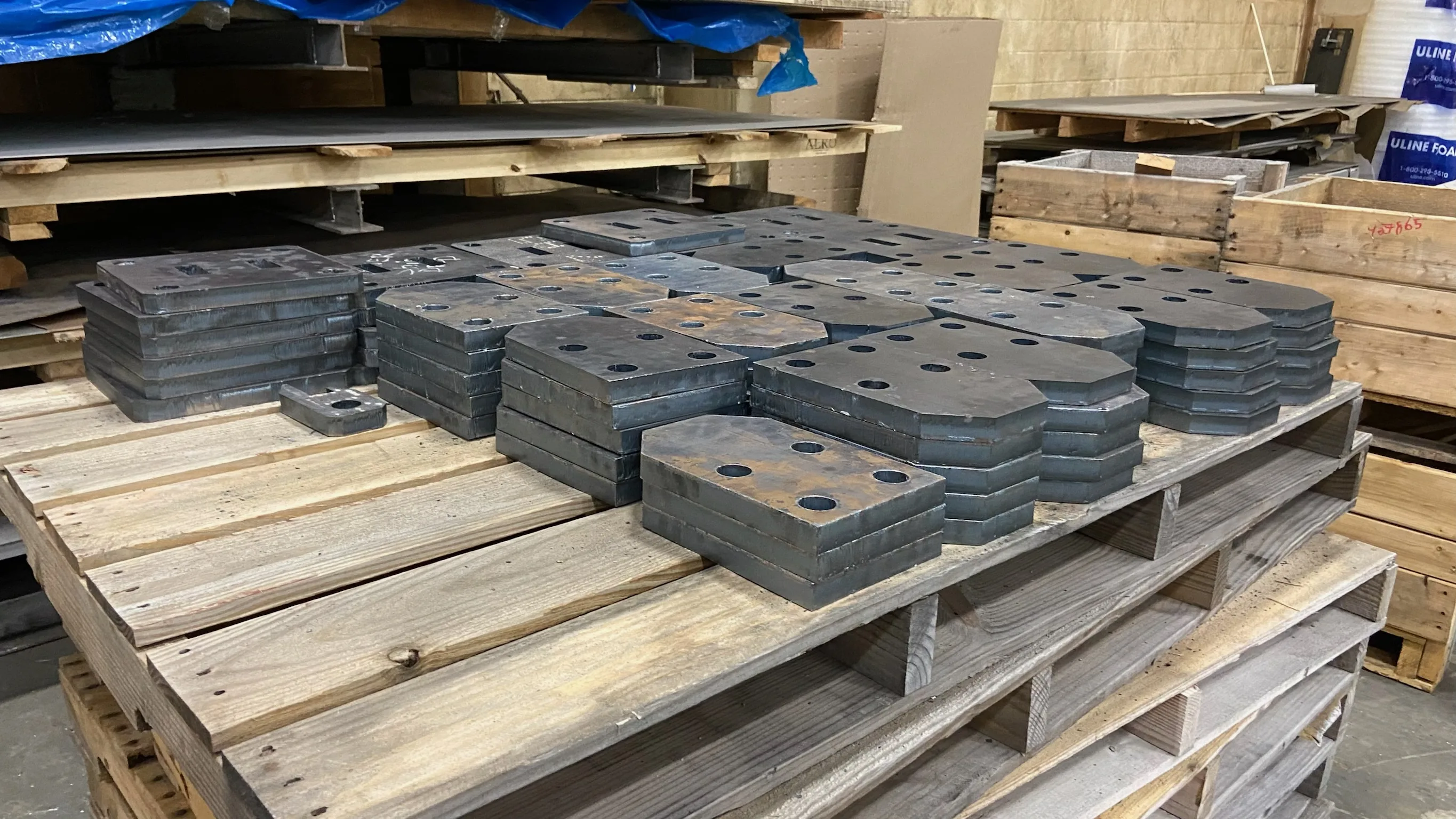
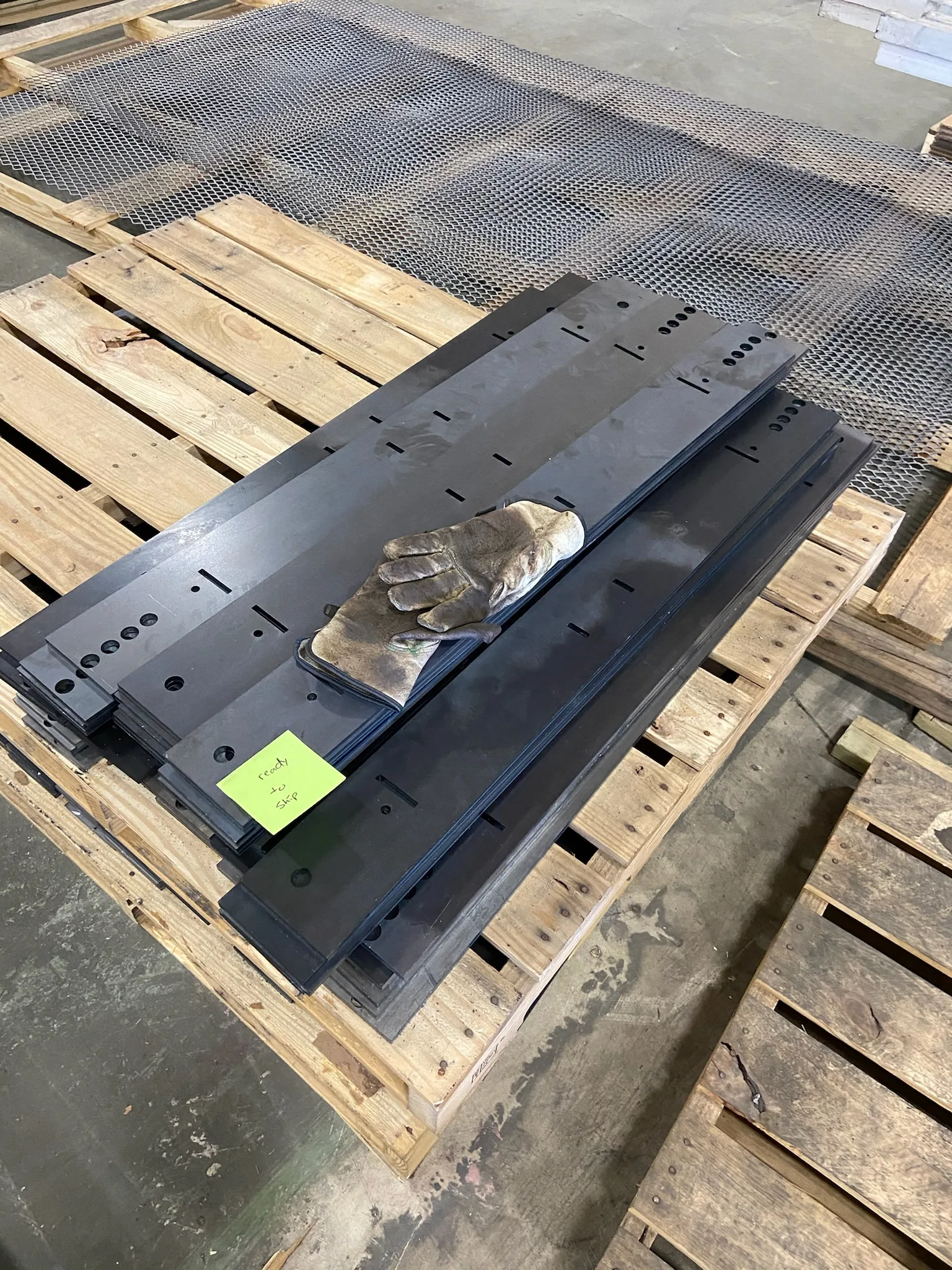
A strong fit for buyers sourcing flat brackets, guards, covers, and panels.
Flat brackets and mounting tabs
Guards, covers, and backplates
Panels, blank-outs, and repeat production parts
Why buyers use this path
The goal is to price the part quickly without making the customer guess what to do next.
Flat-part pricing that updates as the customer changes material, thickness, and quantity.
A guided quote flow instead of a generic contact-form RFQ.
Useful for one-off parts and repeat industrial buying.
What this workflow already handles
The site can price clean jobs immediately and still keep edge cases moving.
DXF is the fastest path when the flat pattern already exists.
Flat STEP models can still route into the laser pricing path.
Oversize or unsupported parts are flagged instead of misquoted.
System Checks
What the quote tool is checking behind the scenes.
These checks keep the fast price believable and send riskier jobs to review before anyone trusts the wrong number.
What to confirm before upload
The file should represent the real part you want built, not a rough stand-in.
The file represents a flat part rather than a formed model.
The blank still needs to fit the current online size rules.
The material and thickness have to match supported online combinations.
What usually moves the price
The number changes for manufacturing reasons, not arbitrary website rules.
Material family and thickness.
Quantity and quantity-break selection.
Overall cut length, pierce count, and size.
When review is the right outcome
Review is normal when the part no longer fits the safe instant-quote envelope.
Oversize blanks.
Unsupported thickness or material combinations.
Geometry that does not read clearly as a flat cut part.
Next Move
How to get the most useful quote from this page.
The simplest way to keep things moving is to upload the file that matches the actual manufacturing route and then use the row controls to pressure-test the job.
Upload the right file
Match the upload to the way the part will really be made.
Use DXF for finalized flat cut geometry.
Use STEP or STP when the formed shape matters.
Avoid placeholder geometry whenever possible.
Use the row controls
The quote table is there to answer practical buying questions before checkout.
Compare 1, 3, 5, and 25 pieces.
Change material or thickness if you are still evaluating options.
Open the preview before submitting the order.
Use review when it appears
A review flag is a safer answer than a fake instant price.
It keeps the order moving in the same workflow.
It shows why the part needs estimator attention.
It is usually the right outcome on long, heavy, or unclear formed work.
FAQ
Questions buyers ask before they upload.
Do I need a DXF for online laser cutting?
A DXF is the fastest path, but flat STEP models can also be handled as laser-cut parts when they meet the online rules.
What kinds of parts fit this service page best?
Flat industrial parts like brackets, covers, plates, and panels are the strongest fit for the online laser cutting path.
Can I still use the site if my part needs estimator judgment?
Yes. The row can be routed to manual review without forcing the customer to restart the process.